How to Choose the Best Lens Color for Fishing Conditions
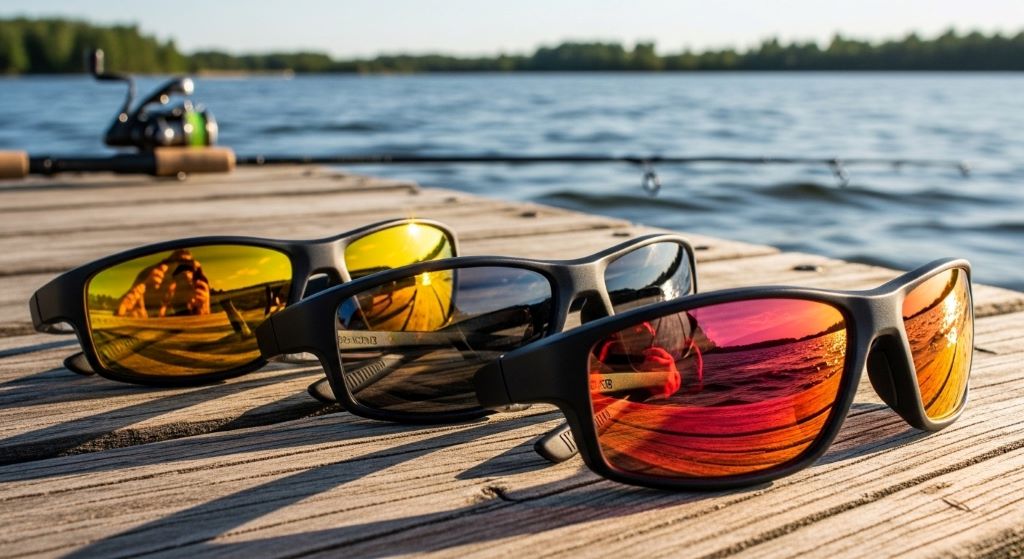
Selecting the right sunglasses can make the difference between a successful fishing trip and a frustrating day on the water. Many anglers focus on rod selection, bait choices, and location scouting while overlooking one crucial piece of equipment: their eyewear. The lens color you choose dramatically affects what you can see below the water’s surface and how comfortable your eyes feel throughout the day.
Understanding which tint works best for different fishing environments helps you spot fish more easily, reduces eye strain, and protects your vision from harmful rays. This comprehensive guide will help you navigate the various options available and match the right lens to your specific fishing conditions.
Why Lens Color Matters for Anglers
Your eyes constantly adjust to changing light conditions when you’re fishing. Different lens tints filter specific wavelengths of light, enhancing certain colors while muting others. This selective filtering can reveal underwater structures, help you track your lure, and reduce glare that obscures your view.
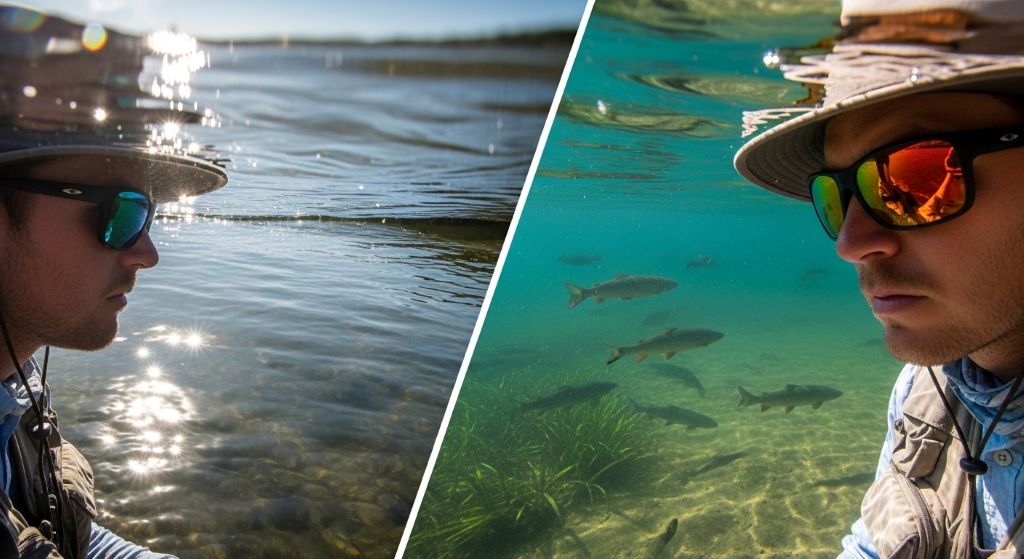
Water reflects sunlight intensely, creating a mirror-like surface that hides what’s beneath. Polarized lenses eliminate this reflected glare, but the color of those polarized lenses determines what you’ll see once that glare disappears. Some tints boost contrast in low light, while others excel in bright, sunny conditions.
Additionally, the right lens color reduces eye fatigue during long days on the water. When your eyes struggle against harsh light or work overtime to distinguish details, you tire more quickly and miss important visual cues. Proper lens selection keeps your eyes fresh and your mind focused on fishing.
Understanding Light Transmission and VLT
Before exploring specific colors, it’s helpful to understand Visible Light Transmission, or VLT. This percentage indicates how much light passes through the lens. A lens with 10% VLT blocks 90% of light, making it suitable for bright conditions. Conversely, a lens with 40% VLT allows more light through, working better in dim environments.
Dark tints generally have lower VLT percentages, making them ideal for sunny days. Lighter tints have higher VLT numbers and perform better during overcast conditions or early morning sessions. Matching VLT to your environment ensures optimal visibility without overwhelming or starving your eyes of necessary light.
Most fishing-specific lenses fall between 10% and 30% VLT for bright conditions, while options for cloudy days range from 25% to 40% VLT. Some manufacturers offer multiple lens options for the same frame, allowing you to swap tints based on conditions.
Amber and Copper Tints for Versatile Performance
Amber lenses rank among the most popular choices for anglers fishing in varied conditions. These warm-toned lenses enhance contrast and depth perception by filtering blue light. This characteristic makes them exceptionally effective in partly cloudy conditions, during dawn and dusk, or when fishing in water with moderate visibility.
The contrast enhancement provided by amber tints helps you distinguish subtle differences in bottom structure. You can more easily spot rocks, vegetation, and changes in depth that attract fish. Additionally, these lenses make it easier to track your line and see strikes from fish.
Copper tints function similarly to amber but typically have slightly lower VLT, making them better suited for brighter conditions. Both options provide excellent all-around performance, which explains why many professional anglers keep amber or copper lenses in their standard rotation.
These warm tints also reduce eye strain during extended wear. The soothing color doesn’t fatigue your eyes as quickly as some other options, allowing you to fish comfortably from sunrise to sunset. However, they may feel too bright in extremely sunny conditions where darker options would be more appropriate.
Gray Lenses for Bright Sunny Days
When faced with brilliant sunshine and intense glare, gray lenses offer superior performance. These neutral-toned lenses reduce overall brightness without significantly altering color perception. You see the world more naturally through gray lenses compared to tinted options.
The primary advantage of gray lenses lies in their light reduction capability. They typically feature lower VLT percentages, blocking more light to protect your eyes on bluebird days. This makes them ideal for offshore fishing, open water situations, or any scenario where shade is limited.
Gray lenses maintain true color representation, which helps when you need to assess water color or sky conditions accurately. This natural view can be valuable when reading weather patterns or judging water clarity. Additionally, gray tints work well if you’ll be wearing your sunglasses both on and off the water during the same outing.
However, gray lenses sacrifice some contrast enhancement that other colors provide. In low-light conditions or when trying to see subtle underwater features, gray may not offer enough visual boost. They excel in bright environments but become less effective as light levels drop.
Exploring Amber vs Gray Lenses for Different Scenarios
Comparing these two popular options helps illustrate how choosing the right tint impacts your fishing success. Amber vs gray lenses represents a common decision point for anglers building their eyewear collection.
Consider a typical bass fishing scenario on a partly cloudy spring day. Amber lenses would provide better contrast for spotting structure, identifying cover, and tracking your lure through varied light conditions. The enhanced depth perception helps you judge distances when casting to specific targets.
Conversely, imagine flats fishing on a cloudless summer afternoon with intense sun reflecting off shallow water. Gray lenses would reduce the overwhelming brightness more effectively, protecting your eyes while still allowing you to spot cruising fish. The neutral tint wouldn’t distort the subtle color differences that help you identify different species.
Many experienced anglers keep both options available and choose based on the forecast. Some even carry interchangeable lens systems that allow quick swaps as conditions change throughout the day. This flexibility ensures you’re always equipped with the optimal lens color for fishing in current conditions.
Green and Yellow Tints for Specific Conditions
Green lenses offer another excellent choice for anglers, particularly in varying light conditions. These lenses reduce glare while maintaining good color balance. They work exceptionally well in both bright and moderate light, making them versatile performers.
The green tint enhances contrast in foggy or hazy conditions while providing comfortable viewing in direct sunlight. Many anglers prefer green lenses for freshwater fishing because they help distinguish underwater vegetation and structure. The color also works well for sight fishing in clear to moderately clear water.
Yellow lenses serve a different purpose, excelling in extremely low-light conditions. These high-VLT lenses maximize available light, making them ideal for early morning, late evening, or heavily overcast days. The yellow tint dramatically increases contrast and depth perception when natural light is minimal.
However, yellow lenses can feel overwhelming in bright conditions. They allow too much light through for comfortable viewing on sunny days. Reserve these lenses for specific low-light situations where you need every advantage to see into the water.
Rose and Red Tints for Shallow Water Fishing
Rose-colored lenses provide excellent performance for sight fishing in shallow, clear water. These lenses enhance contrast against blue and green backgrounds, making it easier to spot fish cruising flats or holding near structure. The tint works particularly well in saltwater environments.
Red-tinted lenses function similarly but with more intense filtering. They excel when fishing extremely shallow water where you need maximum contrast to distinguish fish from their surroundings. Tarpon, bonefish, and redfish anglers often favor rose or red lenses for this reason.
These warm tints also help during partly cloudy conditions by brightening your view and maintaining contrast as clouds move across the sun. The consistent visual experience reduces eye strain compared to constantly adjusting to changing light levels.
Nevertheless, rose and red lenses may distort color perception more than other options. This can make it challenging to judge water color or read sky conditions accurately. They’re specialized tools that excel in specific situations rather than all-purpose options.
Blue and Purple Tints for Offshore Fishing
Blue mirror coatings over neutral base tints have gained popularity for offshore and bright water applications. These lenses reduce glare from water while adding style to your look. The mirror coating reflects additional light, lowering the effective VLT and providing extra protection in intense conditions.
Purple or violet tints serve a similar purpose, filtering harsh light while enhancing contrast in specific situations. These lenses work well for anglers fishing open ocean where consistent bright conditions prevail. The tint helps reduce eye fatigue during long days exposed to sun and glare.
Blue and purple options are more specialized than versatile choices. They perform best in their intended bright-water niche but may not transition well to other fishing scenarios. Consider them for specific applications rather than everyday use.
Matching Lens Color to Water Conditions
Water clarity significantly influences which lens color performs best. In clear water, you can benefit from contrast-enhancing tints that help you spot fish and structure at greater depths. Amber, copper, and rose lenses all work well in these environments.
Murky or stained water presents different challenges. Here, you need lenses that maximize contrast at shorter viewing distances. Amber and copper remain good choices, while yellow can help in particularly dark water by brightening your view.
For fishing vegetation-heavy waters, green lenses help distinguish different plant types and the edges where fish often hold. The tint makes it easier to identify transitions between vegetation and open water.
In extremely shallow, sandy flats, rose or red lenses provide the contrast needed to spot fish against bright, reflective bottoms. The specialized tints make subtle movements and shadows more visible in challenging environments.
Considering Fishing Techniques and Target Species
Your fishing method influences optimal lens selection. Anglers who sight fish need maximum contrast and clarity to spot individual fish. Rose, amber, or copper lenses typically serve these anglers best.
For those fishing deeper water where you’re watching for line movement or surface disturbances, neutral gray lenses may suffice. The emphasis shifts from underwater visibility to comfortable viewing over extended periods.
Target species also matters. Anglers pursuing silver fish like tarpon or bonefish benefit from rose tints that enhance contrast against bright backgrounds. Those chasing bass or pike in vegetated waters might prefer green or amber lenses that help distinguish structure.
Additionally, fishing style affects lens choice. Active anglers constantly scanning the water need comfortable lenses that reduce fatigue. Stationary anglers waiting for specific opportunities might prioritize maximum contrast over all-day comfort.
The Importance of Polarization Quality
While lens color matters significantly, polarization quality equally impacts performance. Polarized lenses contain a special filter that blocks horizontally oriented light waves, eliminating reflected glare from water surfaces.
High-quality polarization reveals underwater structure, fish, and bottom composition that remain invisible with standard sunglasses. However, polarization quality varies widely between manufacturers and price points. Cheaper polarized lenses may distort vision or provide inconsistent glare reduction.
When evaluating lens color options, ensure the polarization meets high standards. The best fishing sunglasses combine effective polarization with appropriate tint for your conditions. One without the other compromises performance.
Test polarization by viewing a reflective surface at an angle. Quality polarized lenses will dramatically reduce or eliminate glare. Rotate the glasses 90 degrees and the glare should return. This simple test reveals polarization effectiveness.
Building Your Lens Collection
Rather than searching for one perfect lens, consider building a small collection for different conditions. Start with a versatile option like amber or copper for everyday use. These lenses perform adequately in most situations you’ll encounter.
Add a darker option like gray for exceptionally bright days. This gives you protection and comfort when fishing exposed flats or open water under intense sun. Having both light and dark options covers most scenarios.
Specialized anglers might add a third option tailored to their specific fishing style. Sight fishers could include rose lenses, while low-light specialists might add yellow. Build your collection based on where and how you fish most often.
Interchangeable lens systems offer the most flexibility if you want multiple options without purchasing separate sunglasses. These frames allow quick lens swaps, letting you adapt to changing conditions throughout the day. However, they typically cost more initially.
Caring for Your Fishing Sunglasses
Protecting your investment ensures optimal performance for years. Always rinse saltwater from lenses and frames after each use. Salt crystals can scratch lenses and corrode frame materials over time.
Store sunglasses in a protective case when not wearing them. Loose storage in tackle boxes or boats exposes lenses to scratches from hooks, tools, and other hard objects. A hard case provides the best protection.
Clean lenses with microfiber cloths and appropriate cleaning solutions. Avoid paper towels or clothing, which can contain particles that scratch coatings. Many lens treatments are delicate and require gentle care.
Inspect frames regularly for loose screws or damaged hinges. Tighten screws as needed and address damage promptly. Preventive maintenance extends the life of quality sunglasses significantly.
Understanding Lens Coatings and Treatments
Modern fishing sunglasses feature various coatings beyond polarization and tint. Anti-reflective coatings on the inside surface reduce light bouncing back into your eyes from behind the lens. This increases comfort and clarity.
Hydrophobic coatings cause water to bead and roll off lenses rather than spreading into vision-blocking films. This feature proves invaluable when waves splash or rain falls during your outing.
Oleophobic treatments repel oils and fingerprints, keeping lenses cleaner between cleanings. Combined with hydrophobic coatings, these treatments maintain clear vision in challenging conditions.
Scratch-resistant coatings protect lens surfaces from inevitable wear and minor impacts. While no coating makes lenses indestructible, these treatments significantly extend usable life.
Making Your Final Selection
Choosing the best lens color for fishing conditions requires considering multiple factors simultaneously. Evaluate your typical fishing environment, preferred techniques, target species, and budget before making decisions.
Start by identifying the light conditions you encounter most frequently. Match lens VLT and color to these predominant conditions for maximum utility. Your primary pair should serve you well in typical situations.
Test different options if possible. Many fishing retailers offer demo programs or liberal return policies. Real-world testing beats theoretical matching every time. Wear options during actual fishing trips to evaluate performance.
Read reviews from anglers fishing similar waters and targeting similar species. Their experiences provide valuable insights into how different lens colors perform in specific scenarios. However, remember that individual preferences vary.
Finally, don’t overlook fit and comfort. The best lens color becomes irrelevant if glasses slip, pinch, or create pressure points. Ensure frames fit your face properly and feel comfortable during extended wear.
Conclusion
Selecting the right lens color transforms your fishing experience by improving visibility, reducing eye strain, and helping you spot fish more effectively. Understanding how different tints perform in various conditions allows you to make informed choices that match your specific needs.
Amber and copper lenses provide excellent versatility for changing conditions, while gray lenses excel in bright sunshine. Specialized options like rose, yellow, and green serve specific purposes when conditions demand maximum performance. The key lies in matching lens characteristics to your typical fishing environment.
Building a small collection ensures you’re prepared for different scenarios without investing in numerous complete pairs of sunglasses. Start with versatile options and add specialized choices as your needs become clear. Quality polarization matters as much as color selection, so invest in lenses that excel in both areas.
By considering water clarity, light conditions, fishing techniques, and personal preferences, you can choose lens colors that enhance your time on the water. Your eyes will stay comfortable, your vision will improve, and you’ll likely catch more fish as a result.
Frequently Asked Questions
What is the most versatile lens color for fishing?
Amber or copper lenses offer the best versatility for most fishing situations. These warm-toned options enhance contrast and depth perception while working well in varied light conditions. They perform adequately in both bright and moderate light, making them excellent all-around choices for anglers who fish different waters and conditions regularly.
Do I need different lenses for freshwater and saltwater fishing?
Not necessarily, though some anglers prefer different options for each environment. Saltwater fishing often involves brighter conditions that benefit from darker gray or green lenses. Freshwater fishing with more vegetation might favor amber or copper. However, versatile lenses like amber work well in both environments. The specific conditions matter more than whether water is fresh or salt.
Can I wear fishing sunglasses for driving or everyday use?
Absolutely, though some lens colors transition better than others. Gray lenses work excellently for driving because they maintain natural color perception. Amber and copper lenses also function well for everyday wear. However, specialized options like yellow or rose may distort colors too much for comfortable daily use. Consider versatile lens colors if you want sunglasses that serve multiple purposes.
How do I know if my polarized lenses are high quality?
Test polarization by viewing a reflective surface like water or a car hood. Quality lenses will eliminate nearly all glare. Look through the lenses at an LCD screen and rotate the glasses 90 degrees. If polarization is working, the screen will darken significantly. Additionally, high-quality lenses provide clear, undistorted vision without waviness or color inconsistencies across the lens surface.
Are expensive fishing sunglasses worth the investment?
Quality fishing sunglasses offer better polarization, more durable coatings, superior lens clarity, and longer-lasting frames compared to budget options. For serious anglers who spend significant time on the water, the improved performance and comfort justify the higher cost. However, mid-range options often provide excellent value. The key is avoiding the cheapest sunglasses while finding a quality level that matches your fishing frequency and budget.
Related Topics:
Box vs Clam Reel: Which Fishing Reel Should You Choose?
Yonkers Local Tips: Discover Hidden Spots