How to Keep Shrimp and Fish Together in a Freshwater Tank
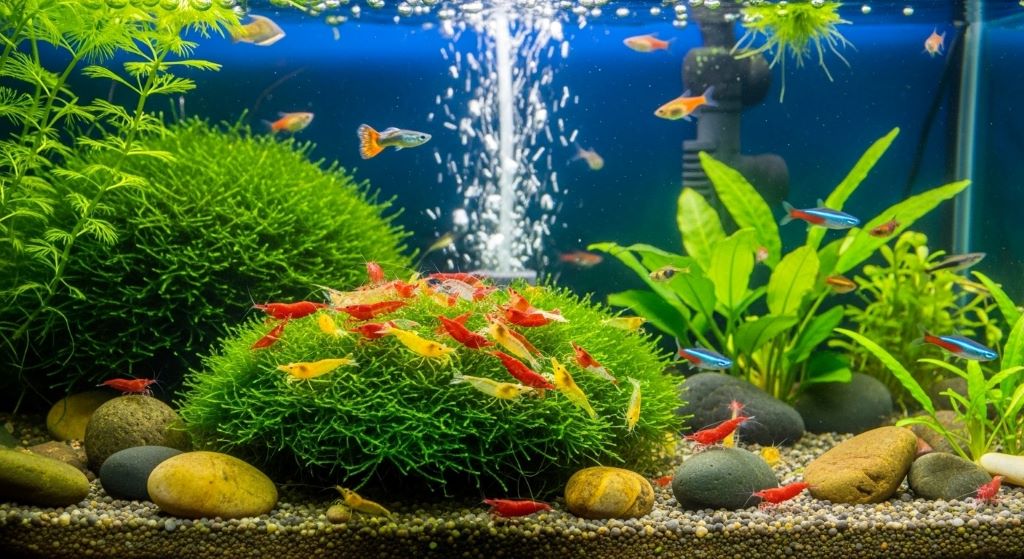
Creating a thriving aquarium community with both shrimp and fish requires careful planning and knowledge. Many aquarium enthusiasts wonder whether these creatures can coexist peacefully. The good news is that with proper selection and tank management, you can enjoy watching both species flourish together. This guide will walk you through everything you need to know about creating a harmonious underwater environment.
Understanding the Basics of Mixed Species Tanks
Mixing shrimp with fish presents unique challenges that differ from traditional fish-only setups. Shrimp are delicate invertebrates with specific needs. They require stable water parameters and peaceful tank conditions. Fish, on the other hand, have varying temperaments and dietary habits. Some species view small invertebrates as snacks rather than companions.
The key to success lies in understanding both groups’ requirements. Water quality matters immensely for shrimp survival. They are sensitive to ammonia, nitrite, and sudden changes in temperature. Fish generally tolerate fluctuations better, though stability benefits everyone. Therefore, maintaining pristine conditions becomes your primary responsibility.
Tank size plays a crucial role in successful cohabitation. Larger tanks provide more hiding spots and reduce territorial conflicts. They also maintain stable water parameters more easily than smaller setups. However, even compact setups can work with the right approach and species selection.
Choosing the Right Fish Species
Selecting appropriate fish determines whether your mixed tank succeeds or fails. Peaceful, small fish make the best companions for shrimp. Aggressive or large fish will almost certainly hunt your shrimp population. Research each species thoroughly before making purchases.
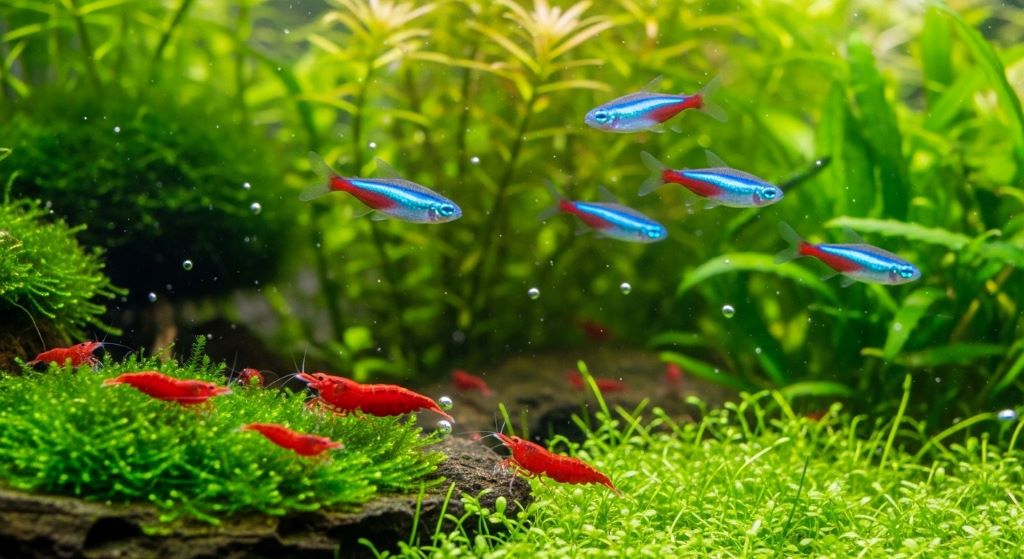
Small schooling fish often work wonderfully in these environments. Neon tetras, ember tetras, and green neon tetras remain too small to threaten adult shrimp. They occupy the middle water column, leaving the bottom area for shrimp to forage. Additionally, their peaceful nature creates a calm atmosphere throughout the tank.
Rasboras represent another excellent choice for mixed tanks. Chili rasboras, exclamation point rasboras, and mosquito rasboras all stay small and gentle. These tiny fish rarely bother shrimp, even juveniles. They add beautiful colors and active swimming patterns to your aquarium.
Corydoras catfish can coexist with larger shrimp species successfully. These bottom dwellers are peaceful and focus on scavenging leftover food. However, they may accidentally eat tiny baby shrimp while sifting through substrate. Most aquarists find this acceptable since some shrimplets typically survive to adulthood.
Otocinclus catfish serve as perfect algae-eating companions. These small, peaceful fish ignore shrimp completely. They spend their time grazing on algae and biofilm. Their shy nature means they won’t compete aggressively during feeding times.
Fish Species to Avoid
Some fish simply cannot share space with shrimp safely. Bettas, despite their beauty, often view shrimp as expensive snacks. While some bettas ignore shrimp, predicting behavior proves impossible. The risk usually outweighs the potential reward.
Cichlids of all sizes present problems in shrimp tanks. Even dwarf cichlids may hunt smaller invertebrates. Their territorial nature and predatory instincts make them unsuitable companions. Consider keeping cichlids in separate, species-specific tanks instead.
Larger tetras like Buenos Aires tetras or Congo tetras will eat shrimp. Their size and appetite make them dangerous tank mates. Stick with smaller tetra species to ensure shrimp safety.
Gouramis generally pose too much risk for shrimp keepers. Most species large enough to swallow shrimp will attempt to do so. Their hunting instincts override any potential for peaceful coexistence.
Understanding Freshwater Shrimp Compatibility
Different shrimp species have varying hardiness levels and temperaments. Cherry shrimp rank among the easiest for beginners. They tolerate a wide range of water parameters and breed readily. Their bright colors add visual interest to any aquarium. Moreover, they coexist peacefully with appropriate fish species.
Amano shrimp grow larger than most ornamental shrimp. This size advantage protects them from many small fish. They excel at algae control and actively clean the tank. However, they require brackish water for breeding, preventing overpopulation in freshwater setups.
Crystal red shrimp and crystal black shrimp need more careful conditions. They prefer cooler temperatures and very stable parameters. These shrimp work best with the most peaceful fish or in species-only tanks. Their higher price point makes losing them to fish predation especially frustrating.
Ghost shrimp serve multiple purposes in community tanks. They act as both cleaners and sometimes as feeder shrimp. Their transparent bodies make them interesting to observe. However, they grow fairly large and can become mildly aggressive toward smaller shrimp species.
Setting Up Your Tank for Success
Tank setup significantly impacts the success of your mixed community. Start with appropriate filtration that won’t harm shrimp. Sponge filters work excellently because they provide biological filtration without creating strong currents. Additionally, they prevent baby shrimp from getting sucked into the intake.
Substrate choice affects both aesthetics and functionality. Fine gravel or sand allows shrimp to forage naturally. Avoid sharp substrates that could damage delicate shrimp bodies. Plant-specific substrates work well if you plan heavy planting, which benefits everyone.
Live plants are essential for successful shrimp and fish cohabitation. They provide hiding spots for shrimp and create natural territories. Java moss, java fern, and anubias require minimal care while offering maximum benefit. Floating plants like water sprite give cover and reduce stress for all inhabitants.
Hiding places save lives in mixed tanks. Driftwood, rocks, and decorations create safe zones where shrimp can molt peacefully. Molting shrimp are vulnerable and need security. Caves and dense plant coverage ensure they survive this critical process.
Water Parameters and Maintenance
Maintaining stable water parameters keeps everyone healthy and happy. Most community-friendly fish and shrimp thrive in similar conditions. Aim for a pH between 6.5 and 7.5 for the widest compatibility range. Temperature should remain steady between 72 and 78 degrees Fahrenheit.
Water hardness matters more for shrimp than most fish. General hardness (GH) between 6 and 8 supports healthy molting. Carbonate hardness (KH) around 3 to 5 maintains pH stability. Test your water regularly to catch any drift before problems arise.
Perform regular water changes to remove accumulated waste. Weekly changes of 20 to 30 percent work well for most tanks. Use a gravel vacuum carefully to avoid accidentally removing shrimp. Always add dechlorinated water at the same temperature as the tank.
Avoid copper-based medications at all costs. Copper kills invertebrates quickly and painfully. If fish require treatment, quarantine them in a separate hospital tank. This precaution protects your entire shrimp population from accidental poisoning.
Feeding Your Mixed Community
Proper feeding ensures both fish and shrimp receive adequate nutrition. Fish typically eat at the water’s surface or mid-level. Shrimp forage along the bottom and on surfaces. This natural division reduces direct competition for food.
High-quality fish flakes or pellets meet most fish dietary needs. Feed small amounts that fish consume within two to three minutes. Excess food falls to the bottom where shrimp clean it up. However, don’t rely solely on leftovers for shrimp nutrition.
Specialized shrimp foods provide essential nutrients for growth and color. These sinking pellets target invertebrate dietary requirements. Feed shrimp-specific foods several times per week. Additionally, blanched vegetables like zucchini and spinach make excellent treats.
Avoid overfeeding, which causes water quality problems. Excess food decomposes and spikes ammonia levels. This harms sensitive shrimp first but eventually affects fish too. Therefore, feeding smaller amounts more frequently works better than large, infrequent feedings.
Managing Breeding Populations
Shrimp breed prolifically under good conditions. Cherry shrimp can produce dozens of babies monthly. Some will inevitably become fish food, but many survive in well-planted tanks. This natural balance often maintains stable populations without intervention.
Fish will eat some baby shrimp regardless of species. However, dense planting provides enough hiding spots for survival. Java moss especially creates safe nurseries for shrimplets. They hide in the moss until growing large enough to venture out safely.
If you want maximum shrimp reproduction, consider a species-only tank. This eliminates all predation pressure on babies. However, many aquarists enjoy the natural dynamic of mixed tanks. The occasional losses keep populations manageable without manual intervention.
Considering Nano Tank Mates
Smaller aquariums present unique challenges and opportunities. A 10-gallon tank can house a beautiful shrimp and fish community with proper planning. Nano tank mates must be chosen even more carefully than in larger setups. Space limitations mean every resident impacts water quality significantly.
Microrasboras excel in compact environments. Species like chili rasboras or phoenix rasboras stay under an inch long. They school beautifully and create movement without overwhelming small tanks. Their tiny mouths cannot consume even baby shrimp.
Dwarf rasboras and very small tetras also work well. Ember tetras bring bright orange color to nano setups. They remain peaceful and active without being hyperactive. Groups of six to eight create natural schooling behavior.
Endler’s livebearers sometimes work in nano tanks with larger shrimp. Males stay small and colorful while remaining relatively peaceful. However, they breed rapidly, so keep only males. Their active nature adds energy to the tank without aggression.
Troubleshooting Common Problems
Even well-planned tanks encounter occasional issues. Shrimp deaths may indicate water quality problems or failed molts. Test parameters immediately and perform a water change if needed. Ensure adequate minerals are available for proper molting.
Fish harassing shrimp suggests poor species selection. Some individual fish show unexpected aggression. Rehome problematic fish to protect your invertebrate population. One aggressive fish can decimate shrimp numbers quickly.
Declining shrimp populations despite no visible attacks might indicate nighttime predation. Some fish hunt more actively when lights are off. Observe your tank at night with a dim flashlight. You may discover unexpected predatory behavior.
Algae blooms affect both fish and shrimp but rarely cause immediate harm. Increase water changes and reduce feeding amounts. Ensure lighting duration isn’t excessive, which fuels algae growth. Shrimp actually help control algae, so maintaining their population assists with this problem.
Long-Term Success Strategies
Patience yields the best results in mixed species tanks. Allow your tank to establish for several weeks before adding shrimp. This gives beneficial bacteria time to colonize surfaces. Mature tanks provide more stable conditions for sensitive invertebrates.
Introduce shrimp after fish have settled in. This allows fish to establish territories without viewing shrimp as invaders. Add shrimp in groups rather than individually. Greater numbers increase survival rates and reduce stress.
Monitor your community regularly for signs of stress or illness. Catching problems early prevents losses. Keep a quarantine tank ready for isolating sick fish. This protects your entire community from disease spread.
Continue learning about your specific species. Join online forums and read current research. Aquarium keeping evolves constantly with new information. Staying informed helps you provide the best possible care.
Conclusion
Successfully keeping shrimp and fish together requires thoughtful planning and consistent care. Choose peaceful, small fish species that won’t view shrimp as prey. Provide excellent water quality, abundant plants, and appropriate hiding spots. Feed both groups adequately while maintaining cleanliness. With proper species selection and environmental setup, you can create a thriving mixed community tank that brings joy for years. Remember that patience and observation are your greatest tools. Watch your inhabitants interact, learn their behaviors, and adjust as needed. The reward of seeing these different species coexist peacefully makes the effort worthwhile.
Frequently Asked Questions
Can I keep betta fish with shrimp in a community tank?
Betta fish present unpredictable risks to shrimp populations. While some bettas ignore shrimp completely, others hunt them aggressively. If you attempt this combination, use a heavily planted tank with plenty of hiding spots. Introduce larger shrimp species like Amano shrimp rather than smaller varieties. However, be prepared to separate them if predation occurs. Most experienced aquarists recommend avoiding this combination unless you’re willing to risk losing shrimp.
What is the minimum tank size for keeping fish and shrimp together?
A 10-gallon tank represents the minimum size for successfully housing fish and shrimp together. Smaller tanks experience more dramatic water parameter swings, which stress sensitive shrimp. Additionally, limited space reduces hiding spots and increases predation. Larger tanks like 20 gallons or more provide better stability and higher success rates. The extra space allows you to create distinct zones where shrimp can retreat safely.
How many shrimp can I keep with a school of small fish?
Stock your tank based on bioload rather than specific numbers. A general guideline suggests 10 cherry shrimp per gallon, but this depends on other inhabitants. In a 10-gallon tank with six small fish, start with 20 to 30 shrimp. Monitor water parameters closely after stocking. If ammonia or nitrite appears, reduce feeding or add more plants. Shrimp have minimal bioload compared to fish, so they rarely cause overstocking issues.
Do shrimp need special food, or can they survive on fish food leftovers?
While shrimp consume fish food leftovers, they need supplemental nutrition for optimal health. Specialized shrimp pellets provide essential minerals for molting and reproduction. Blanched vegetables like zucchini offer variety and fiber. Algae wafers give additional nutrition, especially if natural algae is limited. Feed shrimp-specific foods two to three times weekly. This ensures proper nutrition while allowing them to clean up between feedings.
Will fish eat baby shrimp even if they ignore adults?
Yes, most fish will eat baby shrimp even if they leave adults alone. Shrimplets are tiny and vulnerable for several weeks after birth. However, heavily planted tanks allow many babies to survive by providing dense cover. Java moss and other fine-leaved plants create ideal nurseries. Expect some losses but know that enough typically survive to maintain populations. This natural predation often helps prevent overpopulation without manual intervention.
Related Topics:
Peaceful Fish for Desktop Aquariums
Freshwater Aquarium Startup Mistakes to Avoid Miri