How to Choose Plastic-Free Toys for Kids That Last for Years
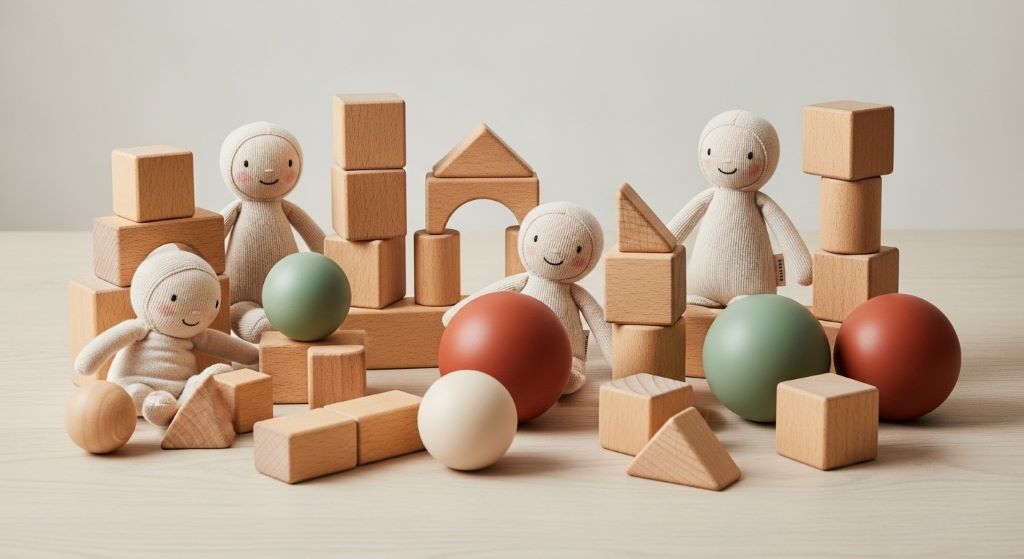
The toy aisle at most stores presents a sea of brightly colored plastic items that promise fun but often end up broken within weeks. As parents become more conscious about environmental impact and child safety, many are seeking alternatives that offer both durability and peace of mind. Choosing toys made from natural materials doesn’t mean sacrificing play value or excitement. In fact, these options often provide richer, longer-lasting play experiences.
Making the switch to plastic-free toys involves understanding materials, recognizing quality craftsmanship, and knowing what features make toys truly timeless. This guide will help you navigate the world of sustainable toy shopping so you can fill your home with items that your children will treasure for years and potentially pass down to the next generation.
Understanding Why Plastic-Free Matters
Plastic toys dominate the market for several reasons. They’re inexpensive to produce, lightweight to ship, and can be molded into countless shapes and colors. However, these benefits come with significant drawbacks that affect both your family and the planet.
Most plastic toys contain chemicals that can leach into your child’s environment. Some plastics release substances when they’re new, while others break down over time and release particles. Although regulations have improved, concerns remain about long-term exposure to certain plastic additives.
Beyond health considerations, plastic toys contribute to environmental problems. They rarely biodegrade, meaning they persist in landfills for hundreds of years. Many cannot be recycled due to mixed materials or small parts. When you consider that the average child receives dozens of toys each year, the waste adds up quickly.
Furthermore, plastic toys often lack durability. They crack, break, or stop working after minimal use. This planned obsolescence creates a cycle of buying, breaking, and replacing that costs money and generates waste. Natural materials, conversely, often grow more beautiful with age and use.
Exploring Natural Materials That Stand the Test of Time
Wood remains one of the best materials for children’s toys. Hardwoods like maple, beech, and oak withstand years of play without showing significant wear. Wood feels warm to the touch, has natural antibacterial properties, and can be sanded and refinished if needed.
Quality wooden toys often feature simple designs that encourage imagination. A set of blocks becomes buildings, vehicles, or abstract sculptures depending on the child’s creativity. This open-ended play value means children don’t outgrow these toys quickly.
Natural rubber offers another excellent alternative for toys requiring flexibility. Harvested from rubber trees, it’s biodegradable and free from synthetic chemicals. Natural rubber toys work well for teething, bath time, and outdoor play. They’re durable yet soft enough to be safe for young children.
Organic cotton and wool create wonderful soft toys and dress-up items. These natural fibers breathe well, resist dust mites, and feel pleasant against skin. Additionally, they can be washed and will last through multiple children when well-made.
Metal toys, particularly those made from stainless steel or tin, provide durability for certain play patterns. Vintage metal toy cars and trains are still enjoyed today, proving that quality metal toys can truly last for generations.
Identifying Quality Craftsmanship
Not all natural toys are created equal. The difference between a toy that lasts years and one that disappoints often comes down to craftsmanship. Learning to spot quality construction helps you make smart purchasing decisions.
Examine joints and connections carefully. Wooden toys should feature tight-fitting pieces, smooth edges, and secure construction. Glued joints should be clean without excess glue visible. Screws and metal hardware should be countersunk so they don’t snag clothing or scratch surfaces.
Finishes matter significantly for longevity. Food-grade oils, beeswax, and water-based paints protect wood while remaining safe for children. These finishes should be evenly applied without drips or bare spots. Avoid toys with finishes that chip easily or smell strongly of chemicals.
Weight often indicates quality. Solid wood toys feel substantial in hand compared to hollow or cheaply made alternatives. This density contributes to stability during play and suggests the manufacturer used quality materials throughout.
Moving parts require special attention. Wheels should spin smoothly and attach securely. Hinges should open and close without catching. Any mechanisms should feel robust rather than flimsy or loose.
Choosing Age-Appropriate Options That Grow With Children
The best investment pieces adapt to different developmental stages. This versatility extends their useful life and provides better value than single-purpose items.
For infants, consider simple grasping toys made from smooth wood or natural rubber. These develop hand-eye coordination and provide sensory exploration without overwhelming young senses. Look for items large enough to be safe yet easy for small hands to manipulate.
Toddlers benefit from stacking toys, simple puzzles, and push-pull items. These support emerging skills while offering enough challenge to remain interesting. Quality examples continue to engage children well into preschool years as play becomes more complex.
Preschoolers and elementary-aged children need open-ended materials that support imaginative play. Building blocks, art supplies, and pretend play items made from natural materials encourage creativity without prescribing specific outcomes. These zero waste toys become tools for storytelling, construction, and artistic expression.
Even older children appreciate well-made items. Strategy games with wooden pieces, quality art supplies, and outdoor equipment made from durable materials provide years of use. These items often transition into family heirlooms that hold sentimental value beyond their play function.
Recognizing Non-Toxic Certifications and Standards
Understanding safety certifications helps you identify truly safe products among the many options available. However, certifications vary by country and not all meaningful standards require third-party verification.
Look for toys marked with recognized safety standards for your region. In the United States, ASTM F963 indicates compliance with toy safety requirements. European toys should display CE marking. These certifications address mechanical hazards, flammability, and chemical content.
Specific certifications for natural materials provide additional assurance. FSC certification indicates wood comes from responsibly managed forests. GOTS certification applies to organic textiles and ensures both environmental and social responsibility throughout production.
Some manufacturers voluntarily test beyond required standards. Third-party testing for heavy metals, phthalates, and other concerning substances demonstrates commitment to safety. Companies serious about producing non-toxic kids gifts typically make testing results available to customers.
Be cautious of vague safety claims without supporting documentation. Terms like “natural” or “eco-friendly” aren’t regulated and may mean little without specific certifications backing them up. Research brands thoroughly and don’t hesitate to contact companies directly with questions about their materials and testing.
Evaluating Brands Committed to Sustainability
Some toy companies have built their entire philosophy around creating sustainable, long-lasting products. Getting familiar with these brands simplifies shopping and increases confidence in your purchases.
Established companies with decades of history often maintain high standards. Many European toy makers have traditions spanning generations, with reputations built on quality and safety. These companies typically use traditional materials and construction methods that prioritize durability.
Newer brands focused specifically on sustainability bring fresh perspectives to toy design. They often emphasize transparency, showing customers exactly where materials come from and how products are made. Many publish detailed information about their supply chains and environmental practices.
Small, independent craftspeople create unique toys with exceptional attention to detail. While these items may cost more, they often represent the highest quality available. Many artisans customize orders, repair damaged toys, and maintain relationships with customers long after purchase.
Read reviews from other parents before investing in unfamiliar brands. Long-term durability becomes apparent through customer feedback. Parents who’ve used toys for years or through multiple children provide valuable insights you won’t find in product descriptions.
Considering Second-Hand and Vintage Options
Buying used toys offers multiple benefits. It reduces demand for new production, keeps functional items out of landfills, and often provides access to higher-quality vintage pieces than you could afford new.
Older wooden toys frequently outshine modern equivalents in terms of craftsmanship. Manufacturing standards have changed, and vintage pieces often feature solid wood construction instead of composite materials. These items have already proven their durability by surviving decades of use.
Inspect used toys carefully for safety. Check for loose parts, splinters, sharp edges, or damage that could pose hazards. Ensure paint hasn’t chipped in ways that might expose lead, particularly on toys made before regulations tightened.
Cleaning and refreshing used toys is usually straightforward. Wooden items can be sanded lightly and treated with food-safe oil. Fabric toys wash easily in most cases. Metal toys may need rust removal but often clean up beautifully.
Thrift stores, estate sales, and online marketplaces offer treasure troves of quality used toys. Building relationships with sellers who specialize in vintage toys can alert you to special finds. Many families find that mixing carefully selected vintage pieces with new items creates a rich play environment.
Investing in Open-Ended Play Materials
Toys that support open-ended play provide the best long-term value. These items don’t dictate how children should play, allowing creativity to flourish and adapting to changing interests.
Basic building materials like blocks, planks, and connectors support countless play scenarios. Children build structures, create sorting games, use pieces as pretend play props, and invent entirely new uses. This flexibility means the same set of blocks entertains a two-year-old and an eight-year-old in different ways.
Art supplies made from natural materials encourage creative expression without generating plastic waste. Beeswax crayons, watercolor paints, and natural modeling materials provide rich sensory experiences. Quality art tools improve with use rather than deteriorating.
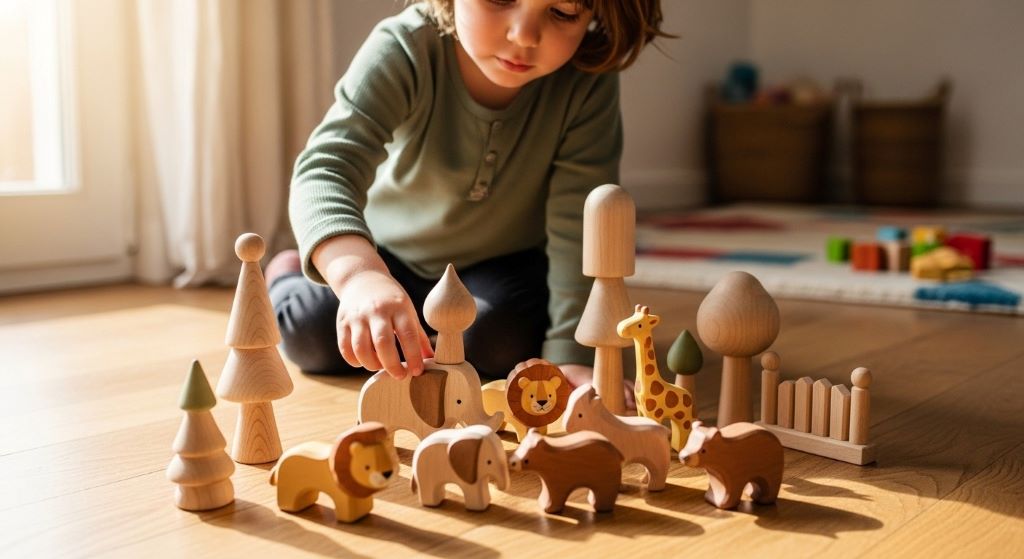
Loose parts for imaginative play spark creativity without electronic features or prescribed narratives. Wooden animals, simple dolls, play silks, and natural objects like stones or shells become whatever children imagine. This type of play develops problem-solving skills and storytelling abilities.
Musical instruments made from wood and metal introduce children to sound and rhythm. Simple percussion instruments, recorders, and xylophones withstand enthusiastic playing while producing pleasant tones. Unlike electronic music toys, these instruments develop genuine musical skills.
Balancing Cost With Long-Term Value
Quality natural toys often carry higher price tags than plastic alternatives. However, calculating true cost requires looking beyond the initial purchase price.
Durable toys that last for years cost less per use than cheap items requiring frequent replacement. A well-made wooden toy train that serves three children for a decade provides better value than plastic versions that break and need replacing every few months.
Consider resale value when making purchases. Quality toys retain worth and often sell easily secondhand. Some sought-after vintage toys actually appreciate in value. This potential to recoup some investment reduces the effective cost.
Many families find that buying fewer, better-quality items ultimately costs less than constantly replacing broken toys. Children often play more creatively with a smaller selection of versatile toys than with rooms full of single-purpose plastic items.
Look for sales and off-season shopping opportunities. Many retailers discount toys significantly after holidays. Buying birthday gifts months in advance when prices drop makes quality options more accessible.
Creating a Minimalist Toy Collection
Fewer, better-quality toys benefit children in multiple ways. Research shows that children with fewer toys engage in longer, more creative play sessions. Therefore, choosing quality over quantity supports development while reducing environmental impact.
Implement a rotation system to keep play fresh without accumulating excess. Store some toys away and rotate them periodically. This approach makes old toys feel new again and prevents overwhelming children with too many choices.
Encourage experiences over material gifts. Request memberships to museums, classes, or outdoor programs instead of toys for birthdays and holidays. These gifts create memories without adding clutter.
Involve children in decluttering decisions as they grow. Teaching them to evaluate what they truly use and enjoy helps develop decision-making skills. Donating outgrown toys extends their life and benefits other families.
Communicate preferences to gift-giving relatives and friends. Many people appreciate guidance and happily choose quality items when they understand your values. Creating wish lists with specific suggestions makes shopping easier for everyone.
Caring for Natural Toys to Maximize Lifespan
Proper maintenance keeps natural toys beautiful and functional for years. Most care routines are simple and take minimal time.
Clean wooden toys with damp cloths rather than soaking them. Excess moisture can cause warping or splitting. For deeper cleaning, use mild soap and water, then dry thoroughly. Periodically treat wood with food-safe oil or beeswax to prevent drying and cracking.
Fabric toys made from natural fibers typically machine wash well. Use gentle cycles with natural detergents. Air drying preserves shape and prevents shrinkage. Spot clean when possible to reduce washing frequency.
Store toys properly to prevent damage. Keep wooden items away from direct sunlight and extreme temperatures, which can cause fading or warping. Store small pieces in containers to prevent loss. Ensure good air circulation around fabric toys to prevent mildew.
Repair damaged toys promptly. Loose pieces can be reglued, fabric toys can be mended, and wooden items can be sanded and refinished. Teaching children to care for their belongings and participate in repairs builds respect for possessions.
Teaching Children About Sustainable Choices
Involving children in toy selection and care teaches valuable lessons about consumption and environmental responsibility. These lessons shape lifelong attitudes toward possessions and waste.
Explain why your family chooses certain toys. Age-appropriate conversations about materials, manufacturing, and environmental impact help children understand the values behind purchasing decisions. This knowledge empowers them to make thoughtful choices independently as they grow.
Let children participate in research and selection. Older children can compare options, read about companies, and weigh different factors. This involvement increases appreciation for the items they receive.
Demonstrate care and maintenance routines together. When children help oil wooden toys or wash fabric items, they develop understanding of how care extends product life. These skills transfer to other belongings and reduce disposable mentalities.
Celebrate longevity and durability. Point out toys that have lasted years or been passed between siblings. Help children recognize quality and appreciate items that withstand time and use.
Conclusion
Choosing plastic-free toys that last for years involves understanding materials, recognizing quality construction, and prioritizing versatility over novelty. Natural materials like wood, organic fabrics, and metal offer durability that plastic cannot match while providing safer, more environmentally responsible options.
Successful sustainable toy shopping balances immediate cost with long-term value, considering not just the purchase price but the years of use and potential resale value. Quality toys become treasured possessions that children remember fondly and sometimes pass to their own children.
By selecting open-ended items that grow with children, investing in well-made pieces, and maintaining toys properly, families can build collections that support development, spark creativity, and minimize environmental impact. Additionally, teaching children about these choices instills values that extend far beyond the playroom.
The shift away from disposable plastic toys represents an investment in quality, safety, and sustainability. While it requires more thoughtful purchasing decisions, the result is a home filled with beautiful, functional items that bring joy for years rather than weeks. This approach ultimately costs less, creates less waste, and provides children with richer play experiences.
Frequently Asked Questions
Are wooden toys safe for babies who put everything in their mouths?
Yes, wooden toys finished with food-safe oils or waxes are safe for mouthing. Wood naturally resists bacteria better than plastic. Choose toys large enough to prevent choking, with smooth surfaces and no small detachable parts. Ensure finishes are specifically labeled as non-toxic and food-safe for the safest options.
How much should I expect to spend on quality natural toys?
Quality natural toys typically cost more initially than plastic alternatives. Simple wooden toys may range from fifteen to fifty dollars, while elaborate playsets can cost several hundred. However, their durability and resale value often make them more economical long-term than repeatedly replacing cheap plastic toys.
Can natural toys be as fun and engaging as electronic toys?
Absolutely. Natural toys encourage active imagination rather than passive entertainment. Children often engage longer and more creatively with simple toys that don’t prescribe specific play patterns. Many parents report that children initially drawn to electronic toys eventually prefer the open-ended possibilities of natural materials.
What should I do with plastic toys we already own?
Use what you have until items break or are outgrown. Donate functional toys to extend their life. Replace broken items with natural alternatives gradually rather than attempting a complete immediate switch. This approach reduces waste while slowly transitioning to more sustainable options without overwhelming your budget.
Where can I find quality plastic-free toys?
Specialty toy stores often carry curated selections of natural toys. Online retailers focusing on sustainable products provide wide variety. Local artisan markets and craft fairs feature handmade options. Additionally, secondhand stores and online marketplaces offer vintage toys that have already proven their durability through years of use.
Related Topics:
Best Gift for a Man Who Has Everything: A Thoughtful Guide
NYC Gifts for Her: Stylish Teen Presents She’ll Love in 2025